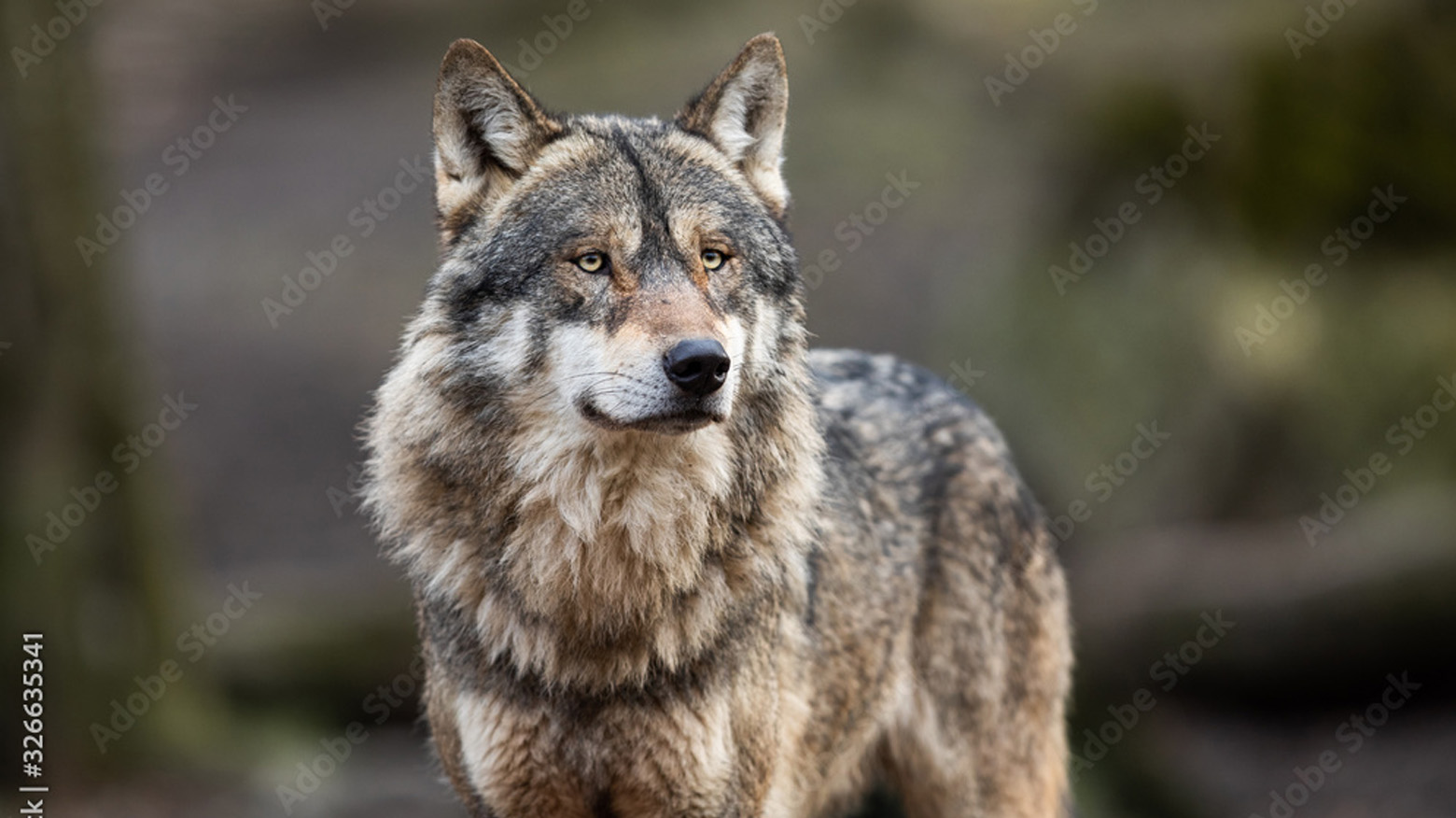
Wolves
Reintroduced to the Tetons and Yellowstone only decades ago, these elusive pack creatures stay hidden while visibly shaping our ecosystem.
A Return to the Wild
Started in 1995
After a long absence, wolves were brought from Canada to Yellowstone.
To the Tetons
By 1999, the wolves had migrated south into the Teton region and denned the first litter in 70 years.
Still thriving now
Today, there are at least 46 wolves across 6 packs in the Teton region. You probably won't see them—but their story is etched into our landscape.
Cascading Impact
It's incredible how one creature's presence ripples through an entire region.
Moving the food chain
The return of wolves reintroduced a missing predator to the ecosystem—specifically to elk herds. The ensuing change in population and the elk herd movement has had a cascading effect on the landscape.
Reshaping the land
With fewer elk overgrazing in the same spots, more trees can grow along riverbanks, reducing erosion and providing habitats for beavers and other animals.
Feeding the valley
A single wolf hunt provides food (carcasses) to numerous species of birds and scavengers, supporting the ecosystem long after they've moved on.
Wild Facts
In the winter, wolf diets consist of 80% elk, directly tying them to the largest elk migration in the country.
Black wolves get their coats from domesticated dogs as part of a genetic mutation. They're the same species as gray wolves with different coats.