The small but mighty

Don't let their size fool you. Jackson Hole's smaller creatures are built for rocky terrain, high elevation, and harsh conditions, so they have all the resilience they need to thrive here.

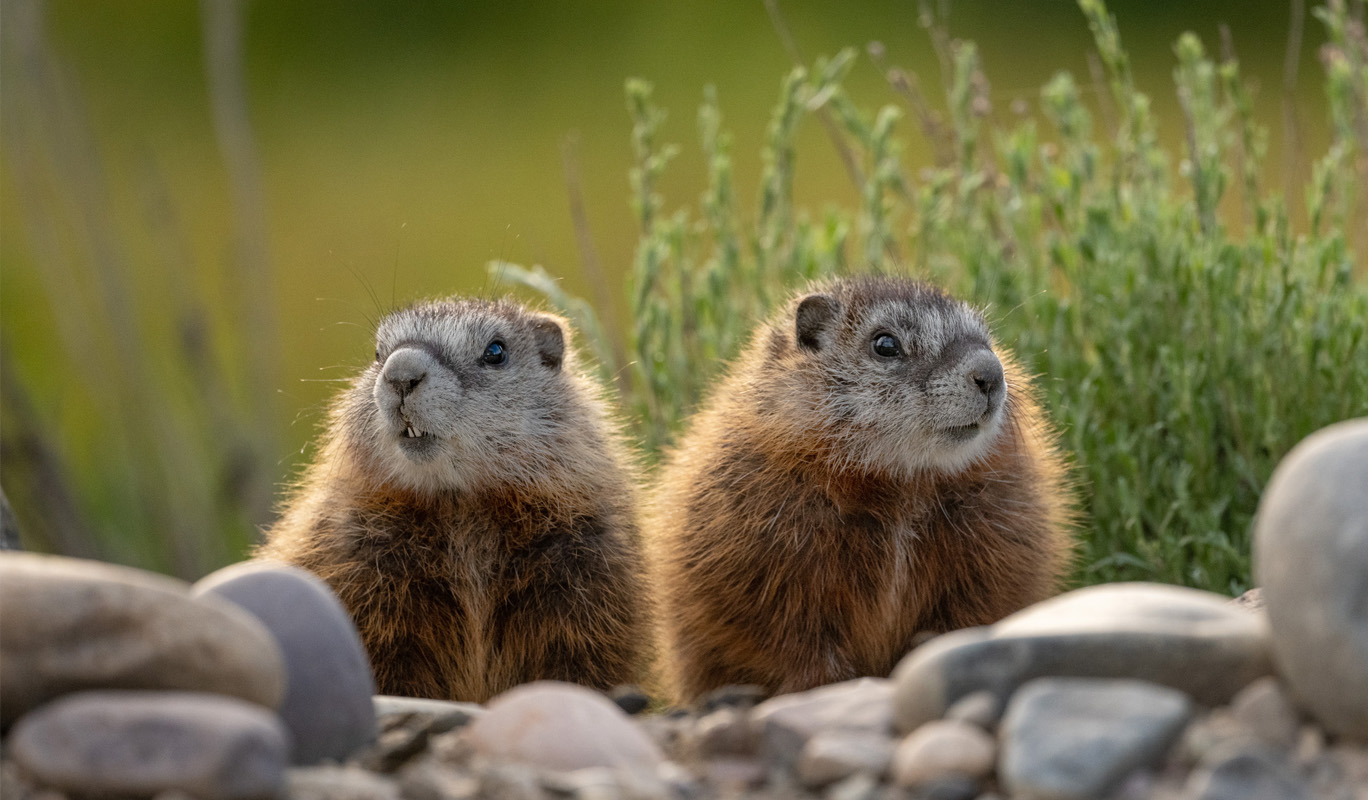
Yellow-Bellied Marmot

Yellow-Bellied Marmot

size reference: house cat

Chunky, golden-brown burrowers, often found sun-bathing on warm rocks at high Teton elevations. They hibernate for 8 months of the year, surviving entirely on stored body fat. Late summer is a feeding frenzy as they bulk up for winter.
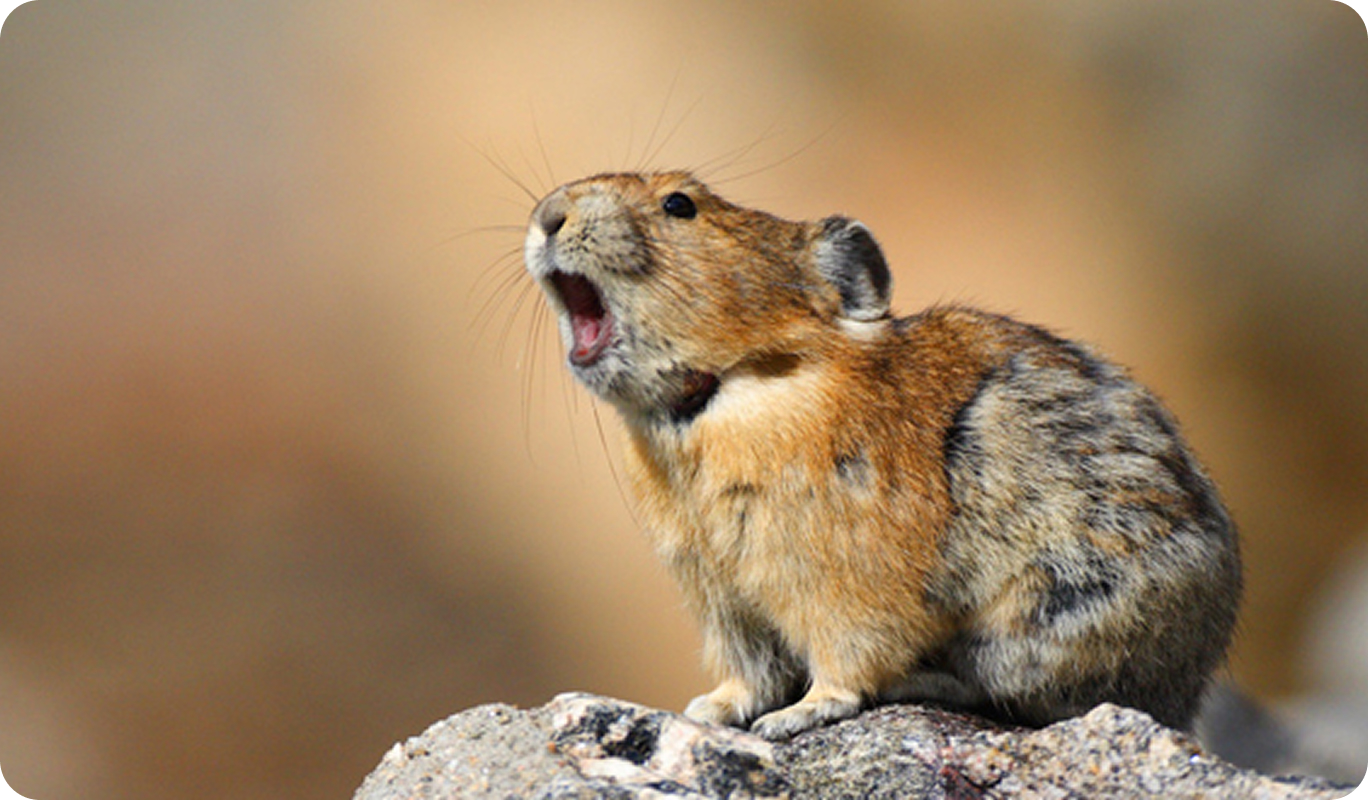
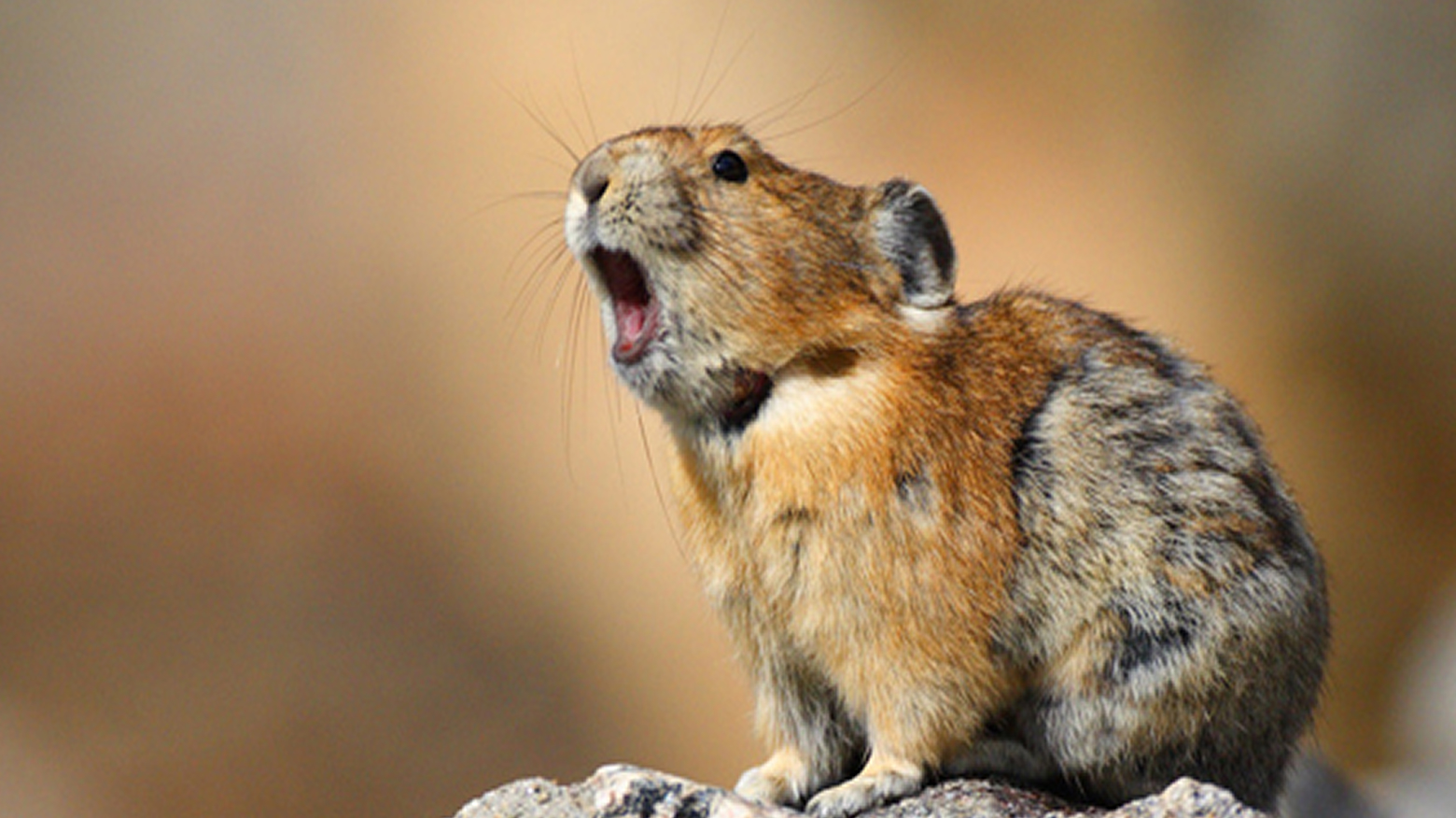
American Pika

American Pika

size reference: softball

Tiny, high-energy harvesters. Unlike many alpine animals, pikas don't hibernate. So during the short summer in Jackson Hole, they spend their days stocking up their food supply for winter. They cut grasses, flowers, and stems, then dry them in the sun like hay.

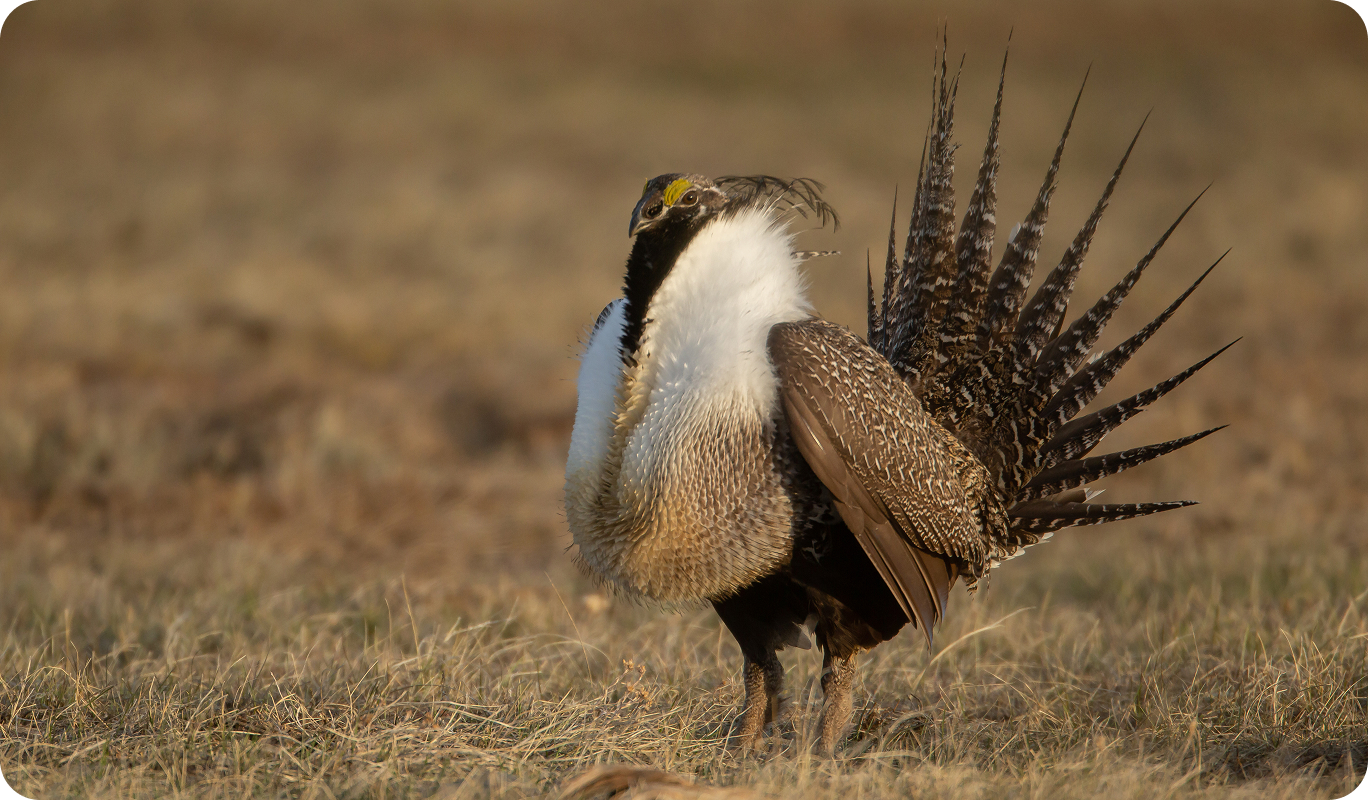
Greater Sage-Grouse

Greater Sage-Grouse

size reference: chicken

Short, puffed-chest icons, these birds rely on the sagebrush steppe they inhabit for survival. Males do the mating dance come spring (“strutting”) which is key as their population is heavily threatened, down from 180 males in 2015 to roughly 88-90 in 2025.

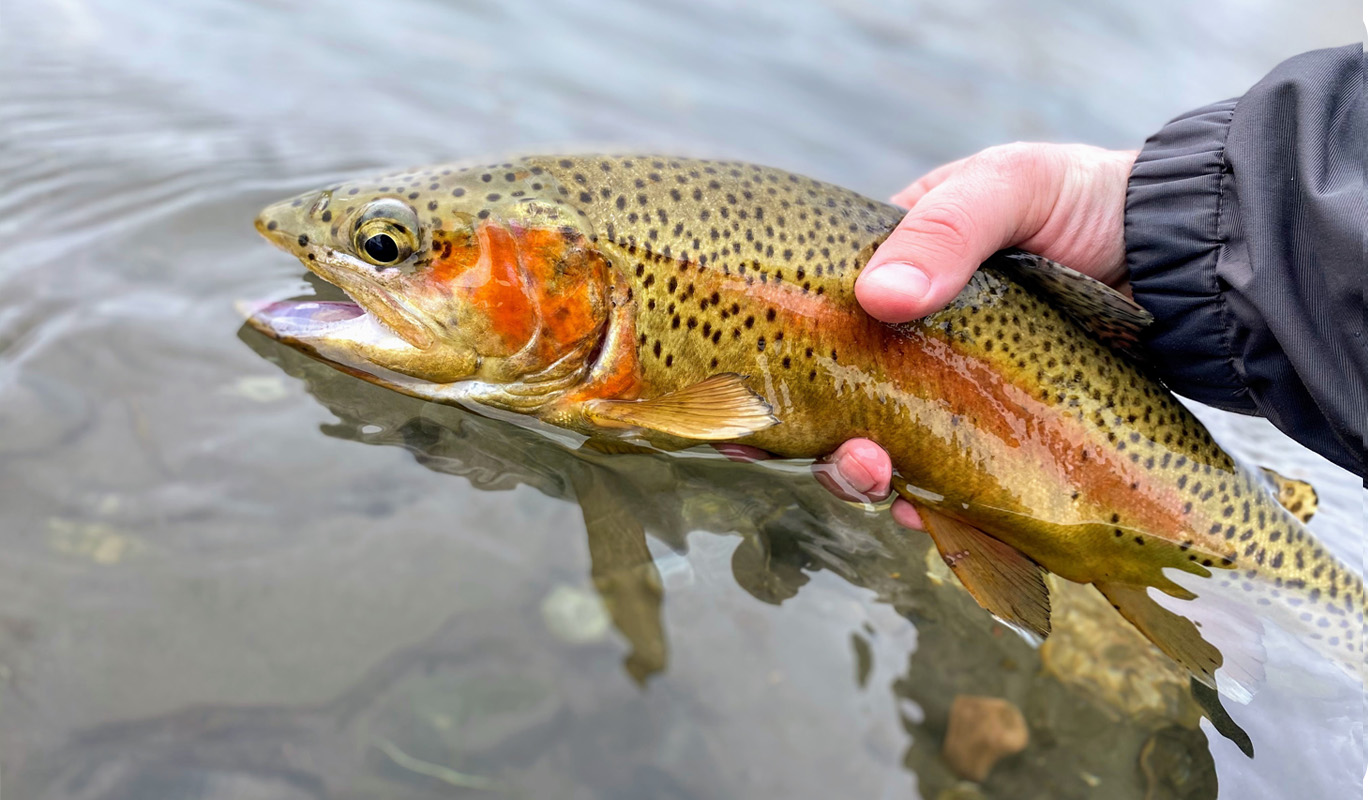
Snake River Finespotted Cutthroat Trout

Snake River Finespotted Cutthroat Trout

size reference: water bottle

Native to Jackson Hole and flowing throughout the Snake River, this trout is as iconic as the Tetons themselves. They thrive in cold, clear, fast-moving water—they're highly adaptable to the seasonal flows of the Snake River.

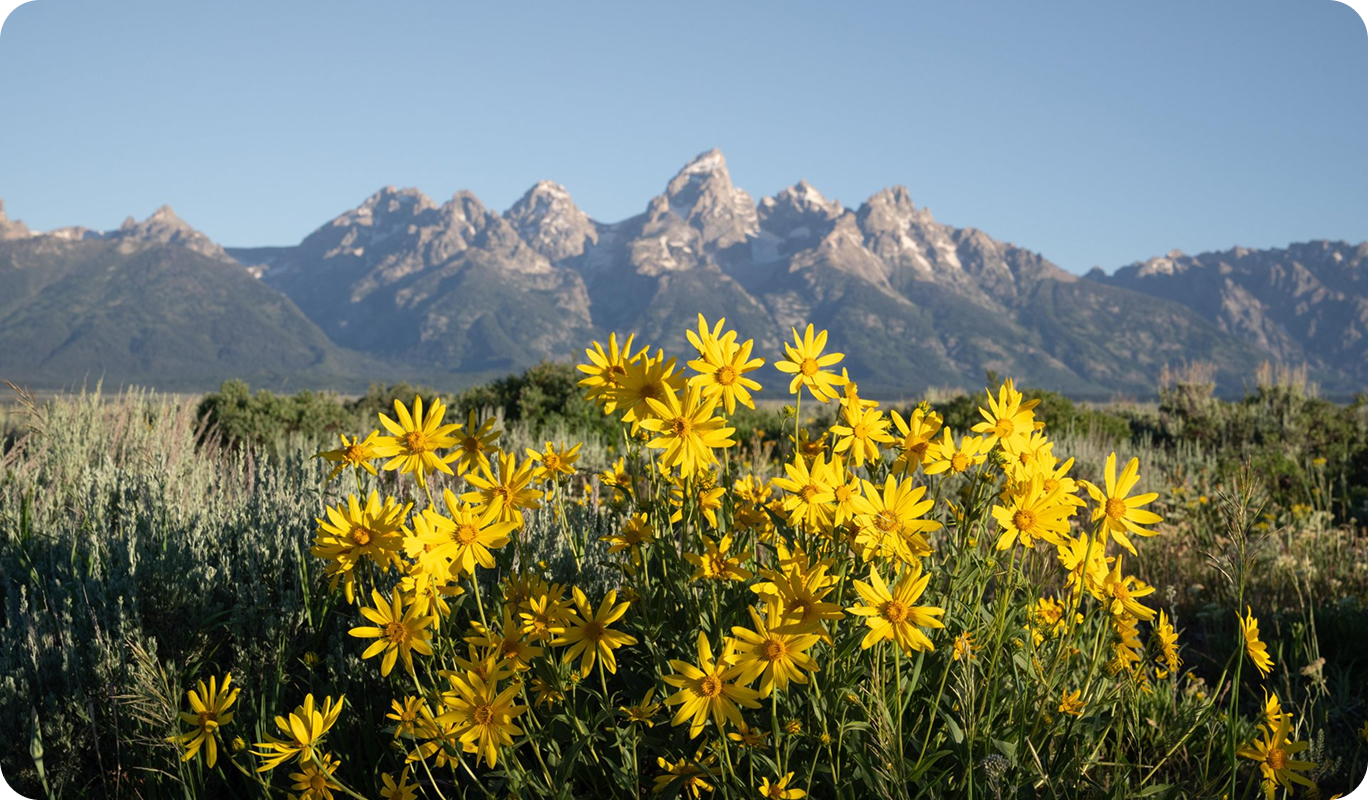
Wildflowers

Wildflowers

vibrant lupine, arrowleaf balsamroot, wyoming paintbrush, and fireweed

Alpine plants can take years to get established, so wildflowers don't just grow here—they fight for their moment. They begin to bloom in May on the valley floor before painting the mountains with breathtaking colors. Take photos, not flowers. These beauties aren't just scenery; they're survival stories.